

I made a mistake the first time I bought a persimmon tree. I walked into my local nursery, grabbed the […]
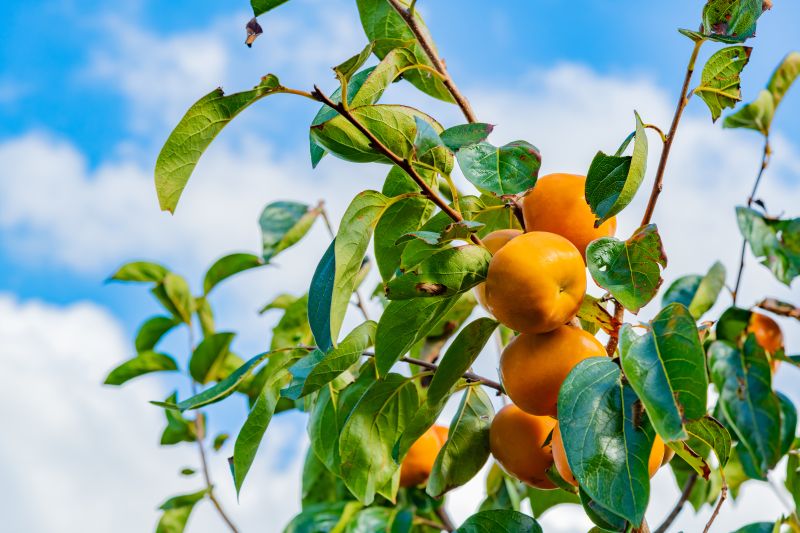
I made a mistake the first time I bought a persimmon tree. I walked into my local nursery, grabbed the prettiest-looking tree in a five-gallon pot, brought it home to my central Virginia backyard — and spent the next two years watching it do almost nothing. The fruit it eventually produced was so astringent it made my mouth feel like I’d chewed on a wool sweater.
What I didn’t know then, I’ll spare you from learning the hard way now.
If you’re searching for a persimmon tree for sale, whether you’re a first-time buyer or upgrading your home orchard, this guide will walk you through everything with genuine, specific detail — not the vague advice you’ll find on most plant-sale websites.
The Two Big Families: Know Before You Buy
Before you type “persimmon trees for sale near me” into Google, you need to understand that persimmons sold in the U.S. fall into two distinct families. Confusing them is the #1 rookie mistake.
American Persimmon (Diospyros virginiana)
If you want a tree that practically takes care of itself, the American persimmon tree for sale at most native plant nurseries is your answer. Native persimmons have been growing in eastern North America for thousands of years. They’re drought-tolerant, cold-hardy down to USDA Zone 4, and adaptable to poor soils where other fruit trees simply quit.
Wild native persimmon trees for sale can reach 60 feet tall, but cultivated varieties sold for home gardens — like ‘Meader’, ‘Yates’, and ‘Early Golden’ — are typically pruned to stay between 10 and 25 feet. American persimmon trees for sale at specialty nurseries usually run between $25 and $65 per tree depending on size and cultivar.
One important quirk: most American persimmons are dioecious, meaning you need both a male and a female tree for reliable fruit production. Some cultivars like ‘Meader’ are self-fertile, but don’t assume — always ask the nursery.
Asian Persimmon (Diospyros kaki)
Asian persimmon trees for sale — also sold as oriental persimmon trees for sale or Japanese persimmon trees for sale — produce the large, jewel-bright fruit you see in grocery stores. They’re generally less cold-hardy (most prefer Zones 7–10) but offer bigger, sweeter fruit and a shorter wait time to first harvest (often 3–4 years vs. 5–7 for wild American types).
The Japanese persimmon tree for sale category splits further into two types based on how fruit ripens:
- Astringent varieties: Must be fully soft before eating. The tannins literally disappear only at peak ripeness.
- Non-astringent varieties: Can be eaten crisp, like an apple. These are the beginner-friendly option.
The Fuyu: The Star of the Show
If you’ve done any research, you’ve already come across the Fuyu persimmon tree for sale. There’s a reason it dominates the market: Fuyu is non-astringent, meaning you can eat it while still firm. No waiting for it to turn to jam on the counter.
Fuyu trees are compact (typically 10–15 feet), self-fruitful, and produce heavily even without a pollinator. They thrive in USDA Zones 7–10, making them a solid choice for the Southeast, California, the Pacific Northwest, and the Mid-Atlantic.
Average retail price for a Fuyu persimmon tree for sale at a well-stocked nursery: $35–$90 depending on pot size. One-gallon starters are cheaper; 5-gallon or 7-gallon trees cost more but establish faster.
Real talk from a reader in Georgia: “I bought a Fuyu from a local nursery in Athens three years ago. Second year in the ground, I got around 40 fruits. By year three it was pushing 200. My neighbors keep asking where I got it.” — Teresa M., home orchardist
Where to Find Persimmon Trees for Sale Near You
Searching for a persimmon tree for sale near me is a good start, but knowing where to look is half the battle.
Local nurseries and garden centers — Your best bet for established, regionally-adapted trees. Staff can advise on variety suitability for your zone. Call ahead; persimmon availability varies widely.
Specialty online nurseries — Sites like Stark Bro’s, Raintree Nursery, and One Green World ship bare-root or potted trees. Bare-root trees (sold dormant, January–March) are cheaper and establish well if planted promptly.
Native plant societies and co-ops — If you specifically want native persimmon trees for sale, your state’s native plant society often runs annual sales with regionally sourced stock at lower prices than commercial nurseries.
Local Facebook garden groups — Seriously underrated. Growers in your county often sell rooted cuttings or seedlings for $5–$15.
State extension service plant sales — Land-grant universities like Virginia Tech, Auburn, and Oregon State sometimes sell regionally-tested cultivars at very fair prices.
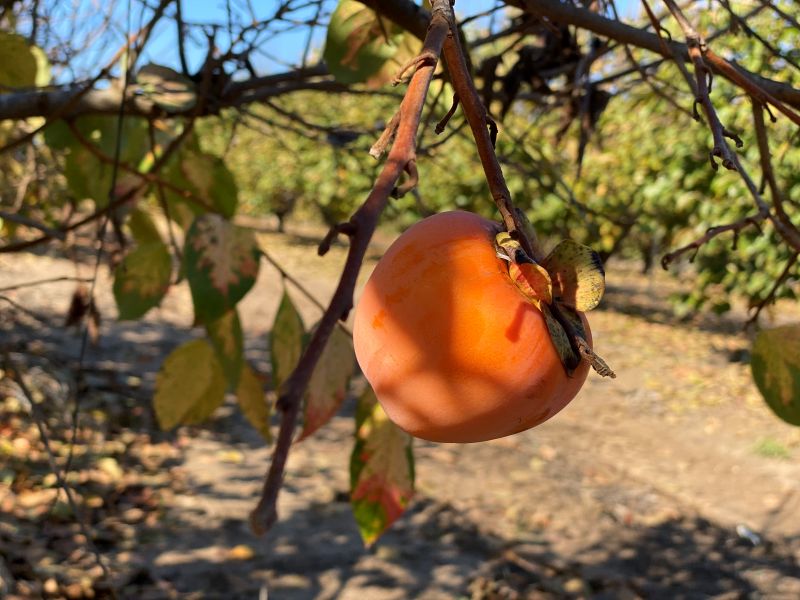
Buying Smart: 5 Things to Check Before You Pay
- Know your hardiness zone. Most Asian persimmon trees for sale won’t survive harsh winters north of Zone 6. American varieties are far more cold-tolerant.
- Confirm pollination needs. Self-fruitful trees (Fuyu, Hachiya, Meader) don’t need a second tree. Many others do.
- Check root health, not just canopy. When buying a potted tree, gently slide the root ball out if possible. Healthy roots are white or tan, not brown and mushy.
- Ask about rootstock. American persimmon rootstock is generally more adaptable to U.S. soils than imported rootstock. Better nurseries will know and tell you.
- Avoid bargain-bin mystery seedlings. Unnamed seedling persimmons can take 7–10 years to fruit and may produce highly astringent fruit. Spend a few dollars more for a named cultivar.
A Quick Note on Statistics Worth Knowing
According to USDA data, persimmon production in the United States has grown notably in the last decade, with California alone harvesting millions of pounds of Asian persimmons annually for both domestic sale and export to Asia. Home growers are catching on: searches for persimmon trees have spiked roughly 300% in Google Trends over the past five years, reflecting a growing appetite for low-maintenance, high-yield fruit trees that don’t require the fussy care of apples or peaches.
Persimmons are also remarkably efficient. A mature Fuyu in the right zone can produce 200–400 pounds of fruit per year from a single tree — far outpacing most backyard apple trees of comparable size.
FAQs: Persimmon Trees for Sale
Q: Can I grow a persimmon tree in a container? Yes, but it’s a compromise. Dwarf varieties like ‘Izu’ (an Asian type) can live in large containers (25+ gallon) for several years. Expect reduced yields and more watering. Eventually most persimmons want to be in the ground.
Q: How long until my persimmon tree produces fruit? Grafted trees sold at nurseries typically fruit in 3–5 years. Seedling trees can take 7–10 years. When buying, always ask if the tree is grafted — most commercial stock is, but it’s worth confirming.
Q: What’s the difference between Fuyu and Hachiya persimmons? Fuyu is flat-bottomed, non-astringent, and eaten firm like an apple. Hachiya is acorn-shaped, astringent, and must be eaten when fully soft and almost jelly-like inside. Both are Asian varieties.
Q: Are persimmon trees deer-resistant? Moderately. Deer will browse young trees heavily. Once established and taller, deer still eat fallen fruit but generally leave the tree itself alone. Young trees need protection for the first 2–3 years.
Q: What soil does a persimmon tree need? Persimmons are remarkably unfussy. They prefer well-drained loamy soil but tolerate clay and sandy soils better than most fruit trees. They do not like waterlogged roots. Aim for a pH between 6.0 and 6.5.
Q: Can I plant a persimmon tree near my house? Yes, but allow 15–20 feet of clearance for full-size varieties. Roots are not particularly invasive, but you want room for canopy spread and air circulation.
Q: Are oriental persimmon trees for sale the same as Japanese persimmon trees? Yes. “Oriental persimmon,” “Japanese persimmon,” and “Asian persimmon” all refer to Diospyros kaki. The naming varies by nursery and region but the species is the same.
Final Word From Someone Who Got It Wrong First
That first tree I bought in Virginia? It was an unnamed seedling from a big-box garden center. No cultivar label, no rootstock information, no zone advice. I eventually replaced it with a ‘Meader’ American persimmon — a named, self-fertile cultivar from a native plant nursery 40 minutes away — and the difference was immediate.
When you’re looking at any persimmon tree for sale, slow down for five minutes and ask the right questions. The tree will outlive your car. Probably your mortgage too. Make sure it’s the right one.
