

My neighbor Linda planted a Fuyu persimmon in her backyard in Fresno, California, about six years ago. She called me […]
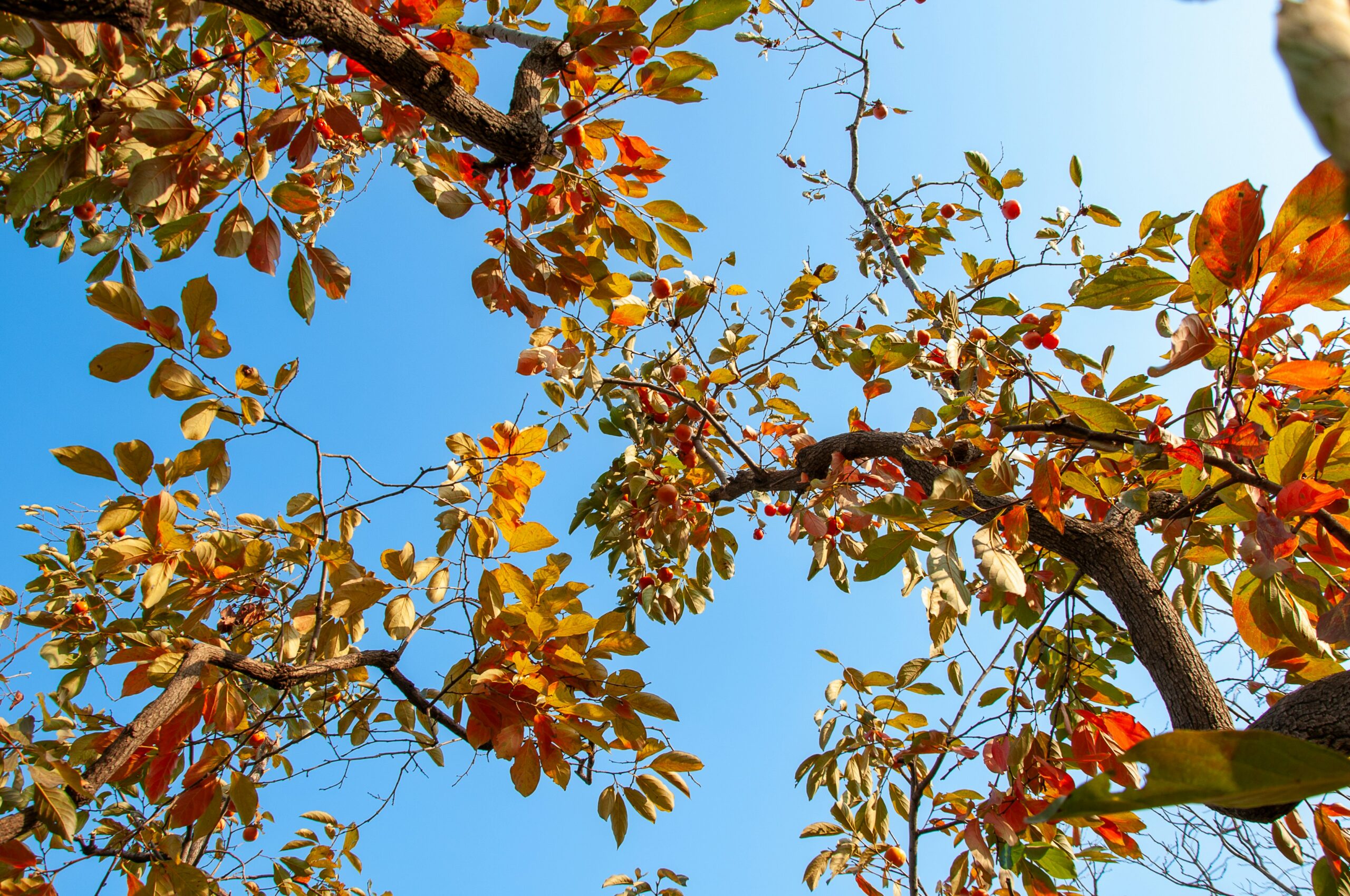
My neighbor Linda planted a Fuyu persimmon in her backyard in Fresno, California, about six years ago. She called me one October morning, nearly in tears — but happy ones. “There are 200 persimmons on that tree,” she said. “I don’t know what I did right.”
I do. She watered it correctly, pruned it once a year, and left it alone the rest of the time. That is, honestly, most of what persimmon tree care and maintenance comes down to.
But there is a right way and a wrong way to do even simple things. This guide covers both — with real timing, real numbers, and no filler.
Why Persimmons Deserve More Attention in American Gardens
Persimmon trees (Diospyros virginiana for American native varieties, Diospyros kaki for Asian varieties) are among the most low-maintenance fruit trees you can grow in the U.S. According to the USDA, the American persimmon is native to the eastern United States and has been part of Indigenous diets for thousands of years. Yet it remains vastly underplanted compared to apples or peaches.
Here is one stat that surprises most people: a mature persimmon tree can produce 100 to 200 pounds of fruit per season, with almost no spraying needed. Many varieties have natural resistance to common fungal diseases. That kind of return on minimal effort is rare in the fruit tree world.
When to Plant Persimmon Trees
Let’s answer this right away because it comes up constantly.
When to plant persimmon trees: The best window is late fall through early spring — ideally when the tree is dormant. In most U.S. growing zones (6 through 9), that means November through March.
When is the best time to plant persimmon trees? For bare-root trees (which are cheaper and establish faster), plant in January or February before buds break. For container-grown trees, you have more flexibility — you can plant in early spring or even fall, as long as you give the roots 6 to 8 weeks to settle before the first frost.
When to plant a persimmon tree in warmer climates (Southern California, Gulf Coast, Central Florida): aim for October through December, so the tree establishes roots during the cool, wet season rather than fighting summer heat immediately.
When to plant persimmon tree in colder zones (Zone 6, like Missouri or Virginia): wait until the ground has thawed solidly in late March or early April. American persimmons (D. virginiana) handle Zone 4 winters with no trouble; Hachiya and Fuyu types prefer Zone 7 and warmer.
A quick rule of thumb: plant when you would not be sweating and when the ground is not frozen. Everything in between is fine.
Choosing the Right Spot
Persimmons are not picky, but they do have preferences.
Sun: Full sun — at least 6 to 8 hours daily. A tree in shade will grow but fruit poorly.
Soil: They tolerate clay, loam, and sandy soils, but they strongly dislike waterlogged conditions. If you have heavy clay, plant on a slight slope or raise the planting bed by 8 to 10 inches.
Space: Asian persimmons typically reach 15 to 20 feet tall and wide at maturity. American persimmons can reach 35 feet in the wild, though garden varieties stay more compact. Give each tree at least 15 feet of clearance.
Pollination: Most Fuyu and Hachiya trees are self-fertile, but planting two trees of different varieties within 50 feet will improve fruit set noticeably. American persimmons are usually dioecious — you need both a male and a female tree.
Persimmon Tree Care and Maintenance Through the Year
Winter (Dormancy): Prune Now, Not Later
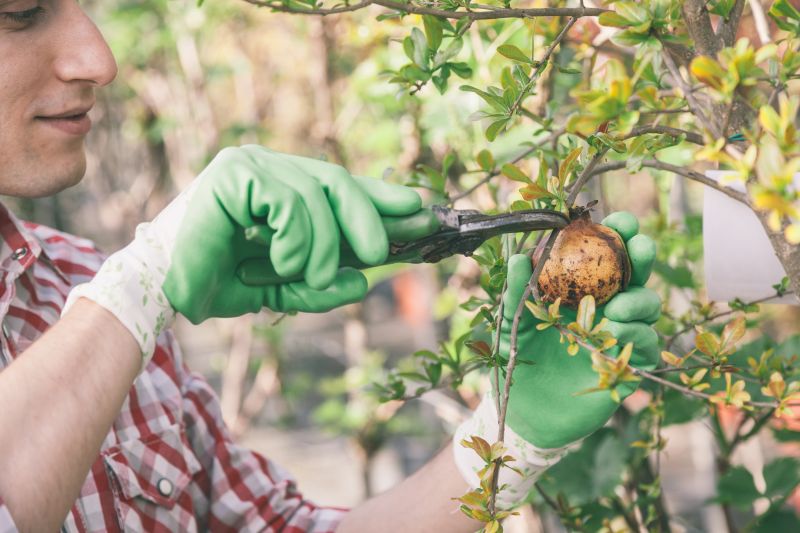
This is the most important maintenance window. Prune persimmons in late winter, from January to mid-February, before new growth starts. Dormant-season pruning reduces disease risk and lets you see the branch structure clearly.
For the first three years, focus on building a scaffold — three to five main branches radiating from the trunk at different heights and angles. Remove anything that crosses, rubs, or grows straight up (called a “water sprout”).
After year three, annual maintenance pruning is light: just remove dead wood, crossed branches, and any branch growing back toward the center of the canopy. Persimmons fruit on new wood from the current season, so you do not need to heavily thin spurs the way you would with apples.
Pro tip from experience: Never remove more than 25% of the canopy in a single year. I once watched a home grower in Georgia hack a mature Hachiya back by half because it had gotten too tall. The tree spent the next two seasons sending up a chaotic flush of water sprouts and barely fruited. Less is always more.
Spring: Fertilize Once, Then Step Back
As buds break (typically March in Zone 7, April in Zone 5–6), apply a balanced slow-release fertilizer. A 10-10-10 formulation at about 1 pound per inch of trunk diameter works well for established trees. Young trees in their first two years need even less — excessive nitrogen produces lush foliage but delays fruiting.
Do not fertilize after July. Late-season fertilizing pushes soft new growth that is vulnerable to winter damage.
Water deeply once or twice a week while flowers and fruit are developing, roughly April through June. A deep watering — 10 to 15 gallons per session for an established tree — is far better than shallow daily watering.
Summer: Mostly Hands-Off
Healthy persimmon trees drop some young fruit in June. This is natural — called “June drop” — and not a sign of trouble. The tree is self-thinning to what it can support.
Watch for persimmon psylla (a small, jumping insect) and scale insects. Both are usually controlled by beneficial insects if you avoid broad-spectrum pesticides. If scale becomes severe, a dormant oil spray in late winter handles it before the season starts.
Fall: Harvest and Post-Season Cleanup
Fuyu persimmons (the flat, tomato-shaped ones) are ready when they turn deep orange — usually October through November. They can be eaten while still firm. Hachiya persimmons (the acorn-shaped ones) must be soft and nearly translucent before eating, or they will be mouth-puckeringly astringent due to soluble tannins.
After harvest, rake up and dispose of fallen fruit. It can harbor fungal spores and attract pests that overwinter in the soil. That is the extent of your fall cleanup.
Watering: The Number Gardeners Get Wrong
New persimmon trees need consistent moisture for the first two years — drought stress in year one can set a tree back significantly. After that, established trees are surprisingly drought-tolerant.
A simple guide:
- Year 1–2: Water every 5 to 7 days during the growing season, more in extreme heat
- Year 3 onward: Water every 2 to 3 weeks during dry stretches; most regions get enough rain otherwise
- Never water during dormancy unless you are in an arid climate with no winter precipitation
Mulch is your best tool here. A 3-inch layer of wood chip mulch around the base (kept 4 inches away from the trunk) retains moisture, moderates soil temperature, and suppresses weeds simultaneously.
Common Problems and What They Actually Mean
Fruit dropping before ripening: Usually insufficient watering in late summer, or the tree is simply overburdened. Check soil moisture and thin fruit to one per cluster if the load looks excessive.
Leaves turning yellow in summer: Could be iron chlorosis (common in high-pH soils), waterlogging, or nitrogen deficiency. Test your soil before guessing.
No fruit after several years: Most likely a pollination issue. Confirm you have a compatible variety nearby, or graft a male branch onto your tree.
Bark cracking at the base: Often sunscald or frost crack. Wrap the lower trunk with white tree wrap in fall for the first three winters.
Frequently Asked Questions
Q: Do persimmon trees need a lot of water? Young trees do — consistent moisture for the first two growing seasons is critical. Established trees (3+ years old) are quite drought-tolerant and need supplemental irrigation only during extended dry spells.
Q: Can I grow a persimmon tree in a pot? Yes, for the first few years, but persimmons grow vigorously and will eventually need the ground. Dwarf rootstocks are rare in the U.S. market, so container culture is typically a temporary arrangement.
Q: How long before a persimmon tree produces fruit? Grafted trees from a nursery typically fruit in 3 to 4 years. Trees grown from seed can take 7 to 10 years — another strong argument for buying named grafted varieties.
Q: Do I need two persimmon trees? For Asian types (Fuyu, Hachiya), usually no — most are self-fertile. For American persimmons (D. virginiana), yes — you need both male and female trees within 50 to 100 feet.
Q: When should I prune a persimmon tree? Late winter, while the tree is dormant — January through mid-February in most U.S. regions. Avoid pruning in fall, as fresh cuts are vulnerable to cold damage.
Q: What is the best persimmon variety for beginners in the U.S.? Fuyu is the most forgiving — self-fertile, non-astringent even when firm, and adaptable to Zones 7 through 10. For colder climates, the American persimmon variety ‘Meader’ is hardy to Zone 4 and bears reliably.
Q: Are persimmon trees messy? Fallen fruit can be — persimmons ripen quickly and drop when mature. Plant away from driveways or walkways, and harvest promptly when color develops.
A Note on Patience (The Honest Part)
Here is the thing nobody says enough: persimmon trees reward patience in a way few other fruit trees do. The first two or three years can feel like nothing is happening. Then, suddenly, year four arrives and you have more fruit than you know what to give away.
Linda’s 200 persimmons did not happen because she did something extraordinary. They happened because she planted at the right time, pruned once a year, watered correctly in the early years, and did not panic when the tree looked slow. That patience, more than any product or technique, is the real secret to persimmon tree care and maintenance.
Have questions about your specific variety or growing region? Drop them in the comments below — we read every one.
