

My first winter greenhouse was a $400 polycarbonate kit from a big-box store. By February, I had lost two trays […]
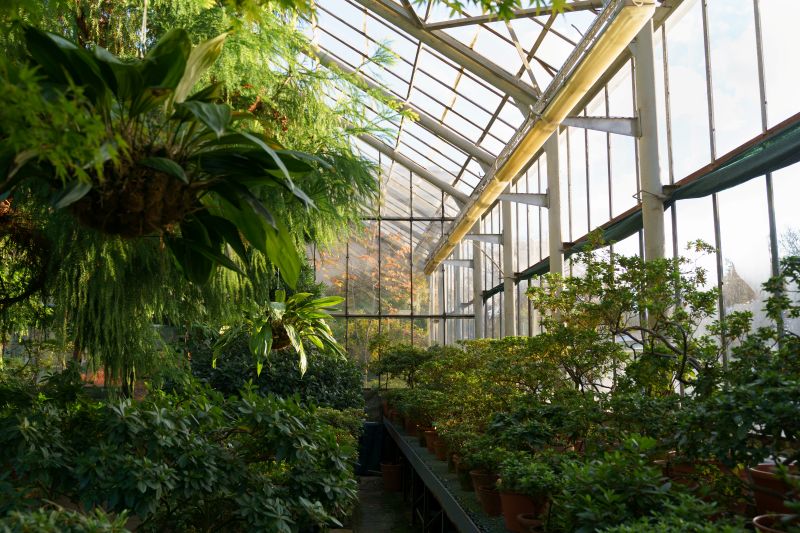
My first winter greenhouse was a $400 polycarbonate kit from a big-box store. By February, I had lost two trays of seedlings to condensation drip, my tomato transplants were leggy from poor light, and I’d burned through more propane than I care to admit. That was five years ago. Now I grow food eleven months out of the year in the same structure — just smarter.
Whether you’re just getting started or you’ve had a greenhouse sitting underused in your backyard, these greenhouse gardening tips are pulled from real experience, research, and conversations with growers across the U.S.
Get Your Temperature Zones Right Before You Plant Anything
The most common mistake new greenhouse gardeners make is treating the whole structure as one climate. It isn’t. According to research from the University of Minnesota Extension, temperature variance inside an unheated greenhouse can be as wide as 30°F between floor level and the peak of the roof. That matters enormously when you’re placing heat-sensitive starts.
A simple fix: hang a min/max thermometer at plant height — not at eye level. You want to know what your roots are experiencing, not what you are. Install a second one near the roof vent. That data alone will change how you arrange your growing benches.
For U.S. growers in USDA hardiness zones 5 through 7, an unheated greenhouse typically buys you two to four additional growing weeks on either end of the season. Adding even a small propane or electric heater can extend that to year-round production for crops like lettuce, spinach, and herbs.
Ventilation Is Not Optional — It’s the Job
One of the most underestimated greenhouse gardening tips is this: air movement prevents more problems than any spray or fertilizer ever will. Stagnant, humid air is the reason you’re seeing powdery mildew on your cucumbers and botrytis on your strawberries.
The general rule of thumb from horticulture engineers is that your greenhouse volume should exchange completely once per minute during summer months. For a standard 8×12 ft hobby greenhouse, that means around 1,000 CFM of ventilation capacity.
Maria Gonzalez, a market gardener in the Texas Hill Country, told me she spent two full growing seasons fighting fungal disease before she added a second roof vent and a small circulation fan. “The next year, I barely had to spray at all,” she said. “I just moved the air.”
Passive roof vents work well in mild climates. In the hot-summer states — Arizona, Georgia, Tennessee — you’ll want thermostat-controlled exhaust fans paired with shade cloth rated at 30 to 40 percent light reduction from June through August.
Soil and Growing Media Matter More in a Controlled Environment
Outdoor garden soil does not belong in a greenhouse bed or container. It compacts, drains poorly, and carries pathogens that thrive in warm, humid conditions. This is a greenhouse gardening tip that saves you real money: start with the right mix.
A reliable all-purpose greenhouse mix is two parts perlite, two parts compost, and one part coconut coir. It drains well, holds enough moisture, and doesn’t compact over repeated waterings. For germination trays specifically, drop the compost and go heavier on perlite and coir to improve drainage at that early root stage.
If you’re growing in raised beds inside your greenhouse, refresh the top four inches with compost every growing cycle and do a full soil replacement every two to three years. Nutrient lock-out and salt buildup from fertilizers are real problems in closed systems that don’t get natural rainfall.
Water Smarter, Not More
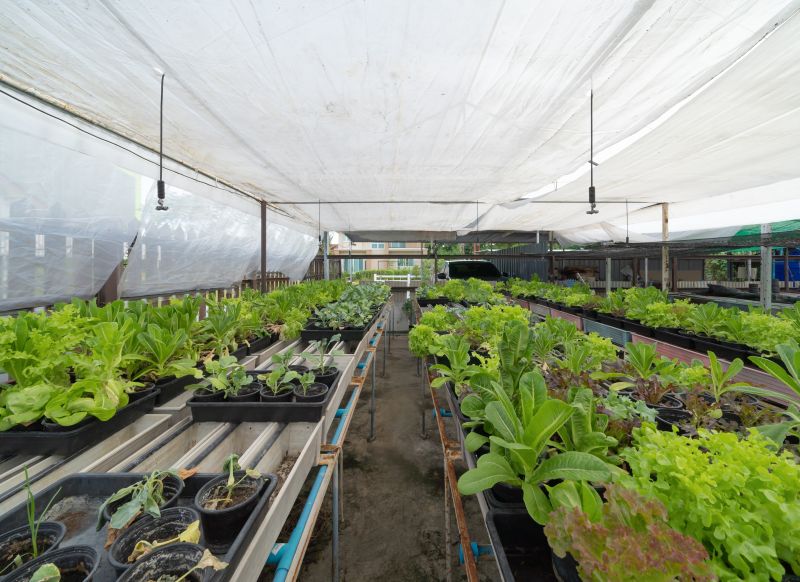
Overwatering kills more greenhouse plants than pests, disease, and cold combined. The consistent warmth inside a greenhouse changes your plants’ water needs dramatically compared to outdoor growing. Evaporation from the soil surface slows. Transpiration rates change with humidity.
A soil moisture meter is a $12 investment that pays for itself in the first month. Stick it into the root zone before every watering. If it reads above 4 on a standard 1-to-10 scale, hold off.
For growers managing larger operations, drip irrigation with a timer is the single best upgrade you can make. A 2023 survey by the National Greenhouse Manufacturers Association found that growers using drip systems used an average of 40 percent less water than those hand-watering — with comparable or better yields.
Pest Management Inside a Greenhouse
Outdoor pests have outdoor predators. Inside a greenhouse, aphids, fungus gnats, and spider mites operate without any of those natural checks. That’s why integrated pest management — using a combination of biological controls, physical barriers, and targeted treatment — is the foundation of good greenhouse gardening practice.
Yellow sticky traps are your first line of detection, not treatment. Place them at plant height, check weekly, and track what you’re catching. Fungus gnats almost always indicate overwatering. Spider mites surge when humidity drops below 40 percent.
For biological control, predatory nematodes applied to your soil mix handle fungus gnat larvae well. Ladybugs and predatory mites work for aphid and spider mite control in enclosed spaces, though they require consistent conditions to establish.
Frequently Asked Questions About Greenhouse Gardening
Q: What is the best size greenhouse for a beginner in the U.S.?
An 8×12 or 10×12 foot structure is practical for most backyard growers. It gives you enough room to move around, stage plants, and experiment with different crops without overwhelming your budget or heating costs.
Q: Do I need a permit to build a greenhouse on my property?
That depends on your municipality. Many U.S. cities require permits for permanent structures over a certain square footage — commonly 120 to 200 sq ft. Always check with your local building department before purchasing.
Q: Can I grow tomatoes year-round in a greenhouse?
Yes, with supplemental heat and adequate lighting. Tomatoes need nighttime temperatures above 55°F and at least 8 hours of light. In northern states, this typically requires a grow light setup from November through February.
Q: How do I control humidity in my greenhouse?
Ventilation first — open vents daily when possible. If you’re in a persistently humid region, a small dehumidifier set to 60 to 70 percent relative humidity works well. Avoid overhead watering and water early in the day so foliage dries before evening.
Q: What crops are easiest to start with in a greenhouse?
Lettuce, spinach, radishes, herbs like basil and cilantro, and most brassicas are highly forgiving greenhouse crops. They tolerate fluctuating temperatures and are fast-growing enough to give you confidence early in your greenhouse gardening journey.
One Last Thing Worth Knowing
Greenhouses reward attention more than effort. The growers I’ve seen succeed long-term aren’t necessarily the ones with the fanciest setups — they’re the ones who walk through every morning, observe, and adjust. A notebook tracking temperature, what you planted, what worked, and what didn’t is more valuable than any gadget.
Start with fewer crops than you think you can manage. Master the environment. Then expand. These greenhouse gardening tips work best when they’re applied gradually and observed closely — not all at once.
Your greenhouse is a tool. The more you understand it, the more it grows for you.
Have a greenhouse tip that’s made a difference in your setup? Drop it in the comments — I read every one.
